How did bin Laden escape Tora Bora?
Osama bin Laden escaped Tora Bora in December 2001 because the US relied on air strikes, a small team of CIA and Delta Force operators, and hired Afghan militia instead of its own troops. Requests for American forces to block the passes into Pakistan were not met, and a 2009 Senate report says he walked out around December 16.
By the Conspiracy Podcast team | Last updated: October 2026
Of every chapter in the hunt for bin Laden, this is the one that still stings. The most wanted man on earth was boxed into a mountain range with American bombs falling on him, and then he was gone for almost a decade. Was it bad intelligence, bad choices, or something people find harder to say out loud? Here are the questions people actually search, answered.
Was Osama bin Laden ever in Tora Bora?
Almost certainly, though not everyone in charge agrees. The Delta Force commander on the ground, who writes under the pen name Dalton Fury, is adamant bin Laden was in the caves until mid December 2001. Bin Laden himself later bragged that he had been there and survived the bombing. General Tommy Franks says nobody ever showed him proof.
Tora Bora is a cave complex in the White Mountains of eastern Afghanistan, right on the border with Pakistan. By the middle of November 2001 the Taliban were collapsing. Kabul fell, then Kandahar fell in early December, and bin Laden did what he had done since the Soviet war of the 1980s. He went to the mountains.
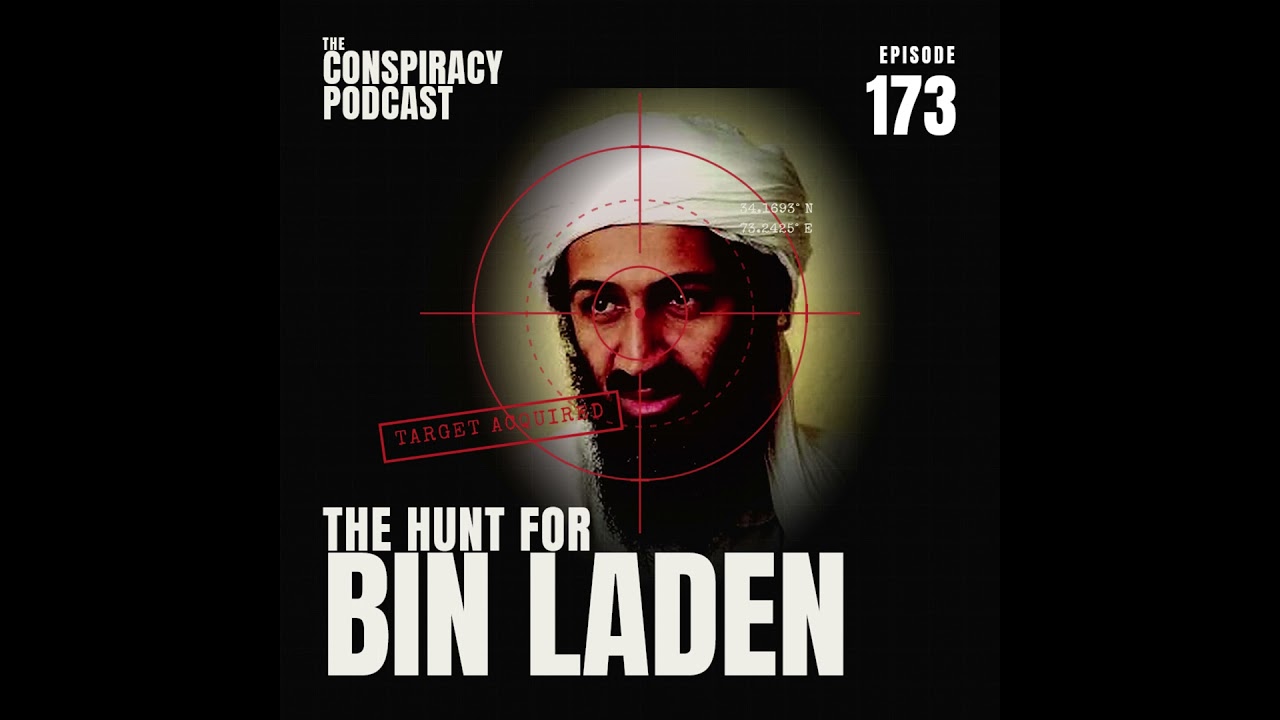
He knew that ground far better than the Americans did. According to the 2009 Senate Foreign Relations Committee report, he had helped build parts of the complex himself in the 1980s, including the rough road in from Jalalabad. The hosts walk the whole December timeline in The Hunt for Bin Laden episode, which opens with Tora Bora before following the trail to Pakistan.
How did the US know bin Laden was in Tora Bora?
The case rests on people who were there. CIA officers and the Delta commander on the scene believed he was in the caves, and the 2009 Senate report concluded the evidence placed him there. His own later boasts that he survived the bombing pointed the same way. What never existed was a confirmed sighting that commanders accepted.
That gap is the whole argument. To the officers on the ground, the signs were strong enough to justify everything they asked for. To General Franks, running the war from far away, it stayed a possibility rather than a fact, and he has said for years that nobody showed him proof.
One detail suggests bin Laden himself thought the end was close. According to the episode, he wrote his will on December 14, 2001, two days before the Senate report says he left. As one host points out, a lot of the hunt that followed looks the same way: bad intelligence, or commanders surmising where he had to be and bombing anyway.
Why didn’t the US send more troops to block the escape?
The plan was built on air power and local fighters, not American soldiers. CIA officers asked for US troops to seal the escape routes, and the request went to General Tommy Franks, who was running the war. It did not happen. Critics read that as a war effort already looking toward Iraq.
The CIA’s man on the scene, Gary Berntsen, was pushing for more. His superior, a senior CIA officer named Hank Crumpton, told Washington the Afghan fighters were tired, cold and not invested in catching bin Laden. According to the episode, he wanted more than a thousand US Marines already stationed near Kandahar flown in to block the passes into Pakistan.
The 2009 Senate report frames the refusal as a choice by military leaders who preferred a light American footprint in Afghanistan. The hosts read the paper trail more bluntly, as bad choices and attention drifting toward Iraq. That second reading is an interpretation. No document in the record shows anyone deciding to let bin Laden go.
Did the Afghan militia let him go?
There is no proof that they did on purpose, but they were not motivated to stop him. The fighting in the caves was done by hired Afghan militia, and Crumpton warned they were not invested. Around December 12 a local commander announced a ceasefire so al-Qaeda fighters could surrender, and critics say that pause gave bin Laden cover.
The hosts put it simply: the American operators wanted bin Laden, while the men doing most of the fighting were getting paid and did not much care who they caught. That is not the same as a deal to let him walk, and the record does not show one. It does show a force that was never built to seal a mountain border.
The ceasefire is the hinge of the story. Within four days of it, according to the 2009 Senate report, bin Laden and a group of bodyguards were out of Tora Bora and into Pakistan, which is where the next decade of the hunt begins.
What does the 2009 Senate Foreign Relations report say?
The report, titled Tora Bora Revisited, concluded that on or around December 16, 2001, bin Laden and his bodyguards walked unmolested out of Tora Bora into Pakistan’s tribal areas. It blamed the decision not to commit US troops. It was written by the committee’s Democratic majority staff under Chairman John Kerry.
That last point matters, and the episode flags it directly. The report was published in 2009, during a heated political fight over the wars, and the hosts note it came with a political edge. It is a staff report, not a bipartisan finding, and it should be read that way.
The other side of the record is General Franks. He has pushed back on the conclusion for years, and his line has stayed consistent: nobody ever showed him proof bin Laden was there. Read together, the two positions do not settle the question. They define it. One side says the evidence was clear enough to act on; the other says it was never confirmed.
| Theory | What the record shows |
|---|---|
| He was never there. The intelligence was wrong and the US bombed empty caves. | General Franks says he never saw proof. The Delta commander on the ground and bin Laden’s own later boasts say he was there. |
| The militia let him walk. Hired Afghan fighters had no reason to stop him. | A December 12 ceasefire is on the record and critics call it his cover. No deal to free him has ever been shown. |
| Washington chose not to stop him. CIA requests for US troops were turned down. | The 2009 Senate report says the request was not met. It was written by Democratic majority staff, and Franks disputes its core premise. |
| Iraq was the real priority. The war was already moving on. | An interpretation by critics and the hosts. The US invaded Iraq in March 2003, but no document shows a decision to let bin Laden go. |
The government missed the warnings before the worst attack in American history. It had him in a cave and then it lost him. It fought a war that cost trillions of dollars while he hid for nine more years.
the guys, on the record
Why did it take nearly ten more years to find him?
Because the attention and the resources moved. In March 2003 the US invaded Iraq, and the troops and money went with it. The episode argues that if you want to understand why the hunt took nearly another decade, you have to start there. The trail only reopened through a courier.
Meanwhile bin Laden became a ghost. A video landed in October 2004, days before the US presidential election, and audio messages surfaced every so often through Al Jazeera. Each tape was proof he was alive, and each got picked apart by people trying to prove it was fake. In early 2002, Pakistan’s president floated the idea that bin Laden had probably died of kidney failure. A French newspaper reported in 2006 that he had died of typhoid. In a 2007 interview with David Frost, Benazir Bhutto mentioned a militant by name as the man who had killed bin Laden, and most observers think she simply misspoke.
The war around him kept growing. Brown University’s Costs of War project puts US spending and obligations at roughly 8 trillion dollars. What finally broke the case was a courier known only by a nickname, and the fight over how he was found is its own story: see whether torture helped find bin Laden, and the question of whether Pakistan knew he was in Abbottabad.
For the hosts, Tora Bora sits uncomfortably next to everything they covered before it. The earlier episodes were about warnings the government did not act on, which we cover in did the US government know about 9/11 before it happened. Tora Bora is the moment they had him and he walked. To hear how the guys connect the escape to the raid in Abbottabad and the burial at sea, listen to the full hunt for bin Laden breakdown, and browse more cases in our guide to famous conspiracy theories.