The AIDs & HIV Epidemic – EP 12


The AIDS & HIV Epidemic
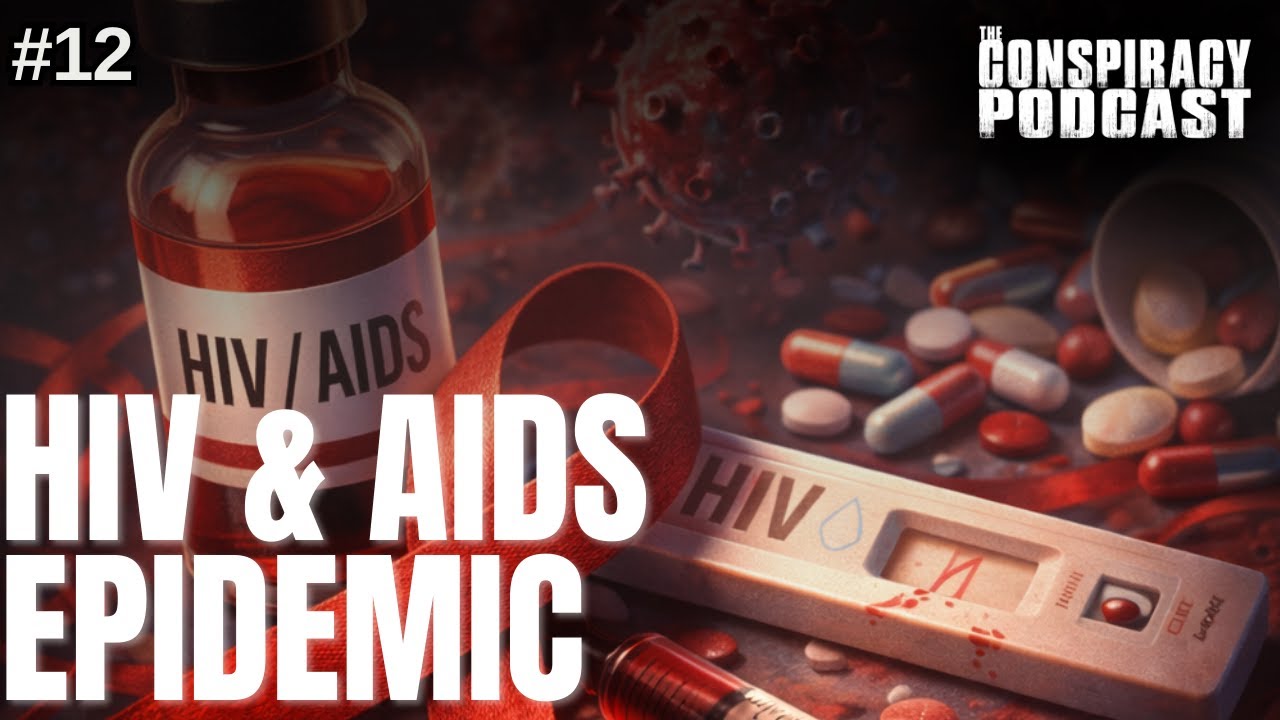
HIV is the virus, and AIDS is the disease it can cause. The guys open by working through the difference: HIV attacks and destroys CD4 cells, also called T cells, the immune cells that protect the body from infection. Left untreated, HIV can progress to AIDS, the stage where the immune system is damaged badly enough that ordinary infections, like pneumonia, can become fatal. For where HIV itself came from, the guys lay out the scientific account: a virus in chimpanzees called Simian Immunodeficiency Virus, or SIV, is believed to have crossed into humans in central Africa, likely through contact with infected blood during hunting, with researchers estimating that jump happened as far back as the late 1800s.
They walk through the early CDC record in detail. On June 5, 1981, the CDC published a report on five previously healthy gay men in Los Angeles who had developed a rare lung infection; two had already died, and the other three died soon after. By August 28 of that year, 108 cases had been reported, the large majority in men, with 94 percent of those 108 cases identifying as homosexual or bisexual, and 40 percent of the group had already died. That December, cases began appearing in children, which the guys tie to parents who were intravenous drug users sharing needles. By the end of 1981, 337 cases had been reported, including 16 children, and 130 of those diagnosed had died. In 1982 the New York Times coined the term GRID, for gay related immune deficiency, before the CDC introduced the name AIDS later that year along with its first formal case definition.
The rest of the timeline covers milestones across the following decade: the 1985 FDA approval of the first HIV test, Rock Hudson publicly acknowledging he had AIDS before his death that same year, Ronald Reagan mentioning AIDS publicly for the first time, Liberace’s coroner disclosing AIDS as a cause of death in 1987 despite his doctor initially citing a heart attack, and Princess Diana photographed shaking the hand of an HIV positive patient in London, a moment the guys credit with pushing back on the era’s fear of casual contact. Magic Johnson announced he was HIV positive in 1991, and Freddie Mercury announced he had AIDS three weeks later, dying that same month. The guys note that HIV cannot be transmitted through kissing, sharing food or drinks, hugging, or casual contact, only through blood and certain bodily fluids, and that modern antiretroviral treatment can suppress the virus to undetectable levels, which is why long term survivors like Magic Johnson have lived with HIV for over 30 years.
From there the episode turns to conspiracy territory, and the guys are careful to flag it as speculation rather than settled fact. They note that filmmaker Spike Lee said in a 1992 Rolling Stone interview that he believed AIDS was a government engineered disease, and they cite survey findings that roughly one in three Black Americans believed the same. The hosts themselves are split and openly unsure. One host says he does not believe HIV was created to specifically target the Black community, arguing that a virus cannot be biologically aimed at people based on race, and instead attributes the disproportionate case numbers in Black communities to poverty, needle sharing, and the era’s drug epidemic. He does wonder aloud whether gay men were more deliberately targeted, though he admits it is only a theory with no data behind it.
A second host goes further, saying his real belief is that HIV came out of a failed test of a biological weapon on primates, which he frames explicitly as his own personal theory and compares to a virus escaping containment. He is also clear that he does not buy a separate claim some people float, that transmission started through bestiality, calling that version implausible. A third host pushes back on the weapon theories entirely. His take is that neglect, not intent, explains the slow response: he argues officials simply did not prioritize funding or research for a disease that was, at first, mostly affecting gay men and drug users, and he contrasts that with how quickly COVID-19 research and vaccines were funded decades later.
That contrast is what pulls the conversation toward gain of function research, which the guys define as science aimed at increasing how transmissible or dangerous a pathogen is. They do not tie it to HIV’s actual origin, since that kind of research did not exist in the 1980s, but they use it to question why any government would fund work aimed at making pathogens spread more effectively, and they flag the subject as something they plan to dig into further in a future episode on COVID-19.
- HIV is the virus that attacks CD4 immune cells, and AIDS is the advanced disease stage it can cause once those cells are destroyed, as the hosts explain at the top of the episode.
- The CDC’s June 5, 1981 report on five previously healthy gay men in Los Angeles with a rare lung infection is cited as the first documented recognition of what became the AIDS epidemic.
- The scientific account the hosts describe traces HIV’s origin to a chimpanzee virus, SIV, that crossed to humans in central Africa through contact with infected blood, likely during hunting, with the jump estimated at the late 1800s.
- In 1982 the New York Times coined the term GRID, or gay related immune deficiency, before the CDC introduced the name AIDS later that year along with its first case definition.
- Modern antiretroviral treatment can suppress HIV to undetectable levels, which the hosts note is why long term survivors like Magic Johnson have lived with the virus for decades.
- The hosts repeatedly frame any lab origin or deliberate targeting theory as unproven personal speculation, at multiple points admitting outright that they have no data to support it.
Read the full transcript
All right, everybody. Welcome to the, uh, Conspiracy Podcast. My name is Eric. My name is Shawn. Jor here. Today’s episode is, where did AIDS come from? HIV, AIDS, AIDS, I don’t know why there’s two different names for it. The conspiracy persists. It’s crazy. It’s pretty heavy, and we’ll try to keep it light, as much as we can, as much as we can, as much as we can, try our damnest. Uh, but what I thought we would do first is, what’s the difference between AIDS and HIV? Yes, it’s, yeah, because I’d love to know. Yeah, exactly. So, so HIV is the virus that causes AIDS. Okay.
Right. Okay, so, but start, but it, it has to progress into AIDS. Yes. So it starts as HIV. So you, in like, if you have AIDS, you have, you started with HIV. Oh, so that’s your HIV positive, and then that will develop into AIDS. That’s right. Okay, so it’s like stage four cancer. But that’s right. Yeah, yeah, absolutely, 100%. So it damages your immune system, uh, making it so, so a lot of people who, who pass away from AIDS, it’s actually, they pass away from like the cold or pneumonia. Dels their immune system, like murders your immune system. Yeah, so it’s like, literally, it’s like you sniff like some dust and you’re like dead.
That’s right. So Aid stands for Acquired Immune Deficiency Syndrome. Oh, immune deficiency, there you go. Yeah, and just so we’re all clear, HIV and AIDS are not the same thing, and people with HIV do not always have AIDS. Magic J, right, right, right, right. And obviously AIDS is the most deadly, HIV you can survive for a while. Yeah, it’s like a progression, it’s a progression. So HIV is the virus that’s passed from person to person. So over time, HIV destroys an important kind of cell that’s in your immune system, and it’s called CD4 cells, or the tea cells. Oh, okay. And that is what helps you protect you basically from infections.
Okay, so when you don’t have enough of these CD4 cells, your body can’t fight off infections the way a normal healthy person can. You’re just, test, yeah. So AIDS, okay, go ahead, cuz maybe you’re going to get into it, but AIDS can’t be transferred, only HIV. That’s right, because HIV is the actual virus itself, it’s the, yes, whereas a is like the, the progressed version of HIV. DN, this podcast just turned into the doctor now. Yeah, seriously, like we’re, we’re all not certified. Yeah. So AIDS is the disease caused by the damage that HIV does to your system. Okay, okay. So you have a AIDS when you get dangerous infections, or a super low number of the CD4, or te- cells.
So AIDS is the most, Ser, serious stage of HIV, and it eventually leads to death. Okay, yeah. Without treatment, it usually takes about 10 years for somebody who, when they get HIV, to develop into AIDS. That’s right. Okay, okay, so about 10 years, if they had no treatment. Oh, so there’s like just, like, no factor, like they’re not doing anything? Yeah, they’re just like, I got it. And then 10 years goes by. Basically the human body can’t get rid of HIV, and no effective HIV cure actually exists. Have it down. Is it almost like a cancer thing, where, like, like, if she mutates, and like, you can’t like actually like identify the, the actual thing, is it kind of like that?
Because that’s why, like, you know, cancer can’t be stopped, because, like, they’re, no, but you can get rid, cancer, I mean, you can, but I’m saying, like, it’s just constantly mutating, so it’s like you think it’s one thing and it changes into a different thing, and you’re like, [bleep], where to go. Yeah, because I think when you get cancer, it attacks your immune cells or your immune system, and so it’s like thinking, like, it’s attacking itself, so that’s why it keeps mutating, growing. But there is cures out there to get, you know, to actually stop it and get rid of it. That’s true. Not the same.
Hi, yeah. A HIV. So apparently, what, HIV has been a problem, because they couldn’t, for decades they couldn’t get rid of it, they could suppress it and make it less, but they couldn’t fully dis, and we still can’t. Correct. Yeah. So here’s the theory, is that HIV infection in humans came from a type of chimpanzee in central Africa. Mhm. Studies show that HIV may have jumped from chimps to humans back in the 1800s. Is this like via sexual contact, or is this like via BL, like blood, like you, like blood flung into someone’s mouth, and like? No, so just imagine you and I are an Africa, it’s like late 1800s, and we’re like conquistadors.
Yeah. No, we go on a hunt, right? We kill a chimp, and we kill a chimp. Yeah, right, and then we eat it. Oh, that sounds like terrible. I would not, so we eat it, right, and, really, not, say you have a little canker in your mouth. Oh my God. And so we cut it, we cook it up. Andes, so that’s the, is that that we were hunting, and then eventually it just transmitted into our bloodstream. I see. From, so it’s like undercooked, they were like medium rare, for me please. Yeah. Uh, so the Chimps, chimpanzees actually have a version of the virus, and it’s called Simeon Immune Deficiency Virus, chimp, no, but called chimp C.
But now, do they, do they die from it too, is it like just as deadly to them, or? I’m not sure if you know that, but okay. I mean, it’s, I don’t think the studies have been done enough on the Chimps who had SIV, I guess, called the SIV, as humans. I think we only give a [bleep] about humans. Yeah, but the idea is that humans hunted the Chimps for meat, and then came in contact with the infected blood. Okay, so however we did that. Yeah, and then over decades, HIV spread across Africa, and then later into the other parts of the world. Uh, the virus itself, records wise, was in the US late 7s.
Okay, okay. And just so we’re not like super Debbie Downer on this whole episode, but the good news is, there, there is new effective, I, treatment, oh dude, for sure, that suppresses, yeah, virus. It’s like the amuno [bleep] suppressing the blockers, and, like, I mean, look at, imagine, Johnson has been living with HIV for like 30 something years, and he’s like, I forgot about that, dude. He weighs, he still weighs like, 2, like it’s not like his body’s like breaking down, like the dude’s like [bleep] living it, like he’s killing the game, he looks healthy as [bleep]. Yeah, yeah, he’s also Super Rich, so there’s that.
I mean, it’s a factor, it is a factor. So, like, nowadays, you, the, uh, medication that you can be put on can actually suppress HIV so much that you can, can’t even detect it on a, on a test. Oh, that’s a little, almost getting rid of it. It’s like, it’s not a, it’s, that’s why, that’s why they have, not like, isn’t a little sketch though, like you can suppress it so much, you’re like, I’m not HIV positive, let’s have sex, like, is that a, it’s a little sketchy, like I’m kind of not into that, like, cuz then one day you’re like, I’m not feeling so hot.
Yeah, and then you’re like, I got, well, presently, present day in the US, most people that have HIV don’t even actually develop AIDS, because they’re taking the medicine, topess, oh, to suppress it. So down, so we’re like, it’s like, it’s like the, the, the news, if we did the podcast in the 90s, it would Dark As [bleep]. Bad news, bad news, bad news, you were dying soon. And just so we know, like, a person, which, um, to define somebody with HIV, it’s, it’s, um, that has progressed to AIDS, it’s when a certain number of their CD4 cells falls below, um, 200 cells per cubic millimeter of blood.
Oh, so it’s like once you’re like at a point, measurable. Yeah, it’s a very measurable. So, um, so that’s when they tell you, you have AIDS. So that’s when it’s AIDS. It’s like, yes, there you go. Yeah, yeah. And so, uh, now different points in time, like if you know, I know above, now it’s, without treatment it usually takes about 10 years, but back in the 90s it was about three years before you die. Yeah, damn, that was like life expect, dude, like you cannot complete your bucket list in that much time. [bleep]. Also, this is like a public Service Announcement, basically. So if you don’t know you have it, and you don’t get tested, you can’t, you can’t fix it.
No, for sure. So the, like, get tested. Oh, I’ve actually tested multiple times, but, cu, otherwise you just kind of like, and, and you’re spreading it too, and you’re also, you’re ponia spreading it, like you’re infecting other humans. And it’s actually, I think it’s actually, you can, you can actually go to prison, like it’s like a illegal, if you KN, if you know your HIV positive and you don’t tell your sexual partner, it’s, you, a crime, it’s like a [bleep] crime, yeah. So this is, this next part, I’m just going to walk through, basically. So we are all knowledgeable about the, the transition from, from nothing to an epidemic.
Yeah, basically. Yeah, and then, and then what’s interesting is that in here, there’s a certain point that’s, they, in the media, everybody was freaking out about it in the 80s, and they thought like spitting, like spit, oh, oh yeah, would, would spread it. [bleep], pie of [bleep], so much misinformation. Everybody was so scared, like, yeah, if you knew of somebody, you’re like, oh my God, like you don’t even want to go close to them. Yeah, I’m not going to, I don’t want your water. Yeah, I’ll bring my own bottle of water. [bleep]. So, like, just, just so we’re all clear and we understand, you cannot get HIV from kissing, from sharing food, no, sharing drinks, isn’t it?
Only from like blood, or like, or like actual, like, like, Sean, BL transfer, seen transfer? Yeah, yeah. So you can’t get it from hugging, holding hands, like, if you cough on me, I’m not, you’re Not going to, me sneezing, toilet seat, none of that is real, none of that is real. A long time ago, like back in the 80s, people did get it from blood transfusion, blood transus, but that’s not, that’s not happening now, because, because screen, all that [bleep] uses the same needles. Also, when, when you give blood, they test the blood, they’re not like going to like give you like some, like they have a heart transplant, they’re like, here’s some HIV blood.
Okay, so 1981, June 5th, 1981, the CDC published an article that five young, uh, men, mhm, got a rare lung infection. These were previously gay men in Los Angeles. Okay, okay. The colleagues of the CDC basically reported that all the men have unusual infections indicating that their immune systems are not working. Oh, I see. And two of them died by the time the report was published. MH. Oh [bleep]. The other three died soon after. Okay, so that was June 5th, 1981, that was the first, so that’s when they’re like, something’s happening, like something’s going down, it, a strange thing. June 16th, a 35-year-old white gay, gay man exhibited symptoms of immune deficiency, uh, and he was the first person that they said, he’s got AIDS, uh, and he was admitted to the, basically, the hospital, and he died, uh, four months later.
Oh, so this is like when they first classified it as Aid, like they were like, okay, this is what it is, this is a thing, blah, BL, blah. Yeah, okay. So now August 28th, so this is June, same year, 19, same year. Okay, uh, so from June 5th to August, August 28th, 108 cases were reported. Dude, so it’s like it’s [bleep] spreading like wildfire. Yeah, yeah, and now that we’ve gone through covid, we kind of know it, just little chick, some, it just like, like it’s like, hey, two weeks to [bleep] spit the curve, and it’s like the whole world’s on lock. So of, so 108 cases were reported, of those 108, 107 were men.
Oh, okay, so it’s like predominantly male. Yes. Then 9 4% reported that they were either homosexual or they were bisexual. Okay, okay, 94%, 94%, that makesense. It does make sense, if, if a man has it and the man has sex with a man, like, it’s going to stay with the man. Like, so by August 28th, when those cases were reported, 40% of them died. Oh, [bleep], so it was like pretty like it’s devastating, it’s like fast, it’s like quick. Like by December, they started getting of children. Oh my God. Yeah, how the [bleep] did that happen? So they found, how old are these kids? I know.
Like, so of the children that were diagnosed, uh, it was found as a common denominator that the children were of parents who were drug addicts, or or prostitutes, sharing the needles. Okay, that makes sense. God, that’s so sad. No, or, or they could have just been, if it was a gay guy that passed it on to a girl, like maybe they’re bisexual, B, like, there’s, you know, you know, and so, because it can be transferred on through blood, obviously, then that’s why the kids have it as well, as seen, true, yeah. So it’s basically like it’s like, b, b fluids, but like saliva doesn’t count into your bloodstream.
Yeah, it’s like body fluids that are actually like, I said, saliva is not technically, yeah, in that category. Okay, so by the end of the year, end of 1981, 337 cases were reported. Mhm. 16 of them were children. Oh my God. Yeah, of those cases, 130 were dead by the end of that year. Dude, so that’s 30%, it’s like it’s like [bleep] deadly. So 1982, the New York Times published an article, and they coined the term GRID, which was a gay related immune deficiency. Oh, so they were, they didn’t have the terms yet, they were just, they were blaming it, but the New York Times [bleep] put gay related immune deficiency.
Well, the New York Times wouldn’t be cut dead doing that now. So that created like this public perception that it was the gay virus. Right, right, right, obviously it’s a New York Time, it’s the most like trusted publication in America. So that was September. Problem with the [bleep] media, man. Yeah, so that was May. And so then, fast forward to September, the CDC used the, the first time, used the term AIDS, and they created a definition for AIDS, and it was, a disease at least moderately predictive of a defect in cell mediated immunity, occurring in a person with no known cause for diminished resistance to the disease, that was their first definition.
Yes, cuz they didn’t know what the [bleep] was happening, they’re like, you’re getting sick real, real easy, we don’t know why. So two years later, in 1984, the New York Times, again, get this, bastards, published, published something that said scientific evidence has been raised that the possibility that AIDS could be transmitted through saliva. Oh my god. Oh damn. So that’s when ridiculous, start of like the shame game, the shame of, oh, you have AIDS, [bleep], don’t spit on me, I don’t want spit on me, don’t even look at me. So then 19, so fast forward from 82 to 1985, in the FDA licensed the first test to detect HIV.
Okay, so then July of that year, you remember Rock Hudson? Nope. Nope. Super famous. Don’t remember him. Super famous actor. Yeah, I was like [bleep] three years old. Yeah, he acknowledged that he had AIDS, that was the first, the first guy to come out. Yeah, he was like a man’s man, he was like a John Wayne, Reynolds, very well, we don’t know, whispers. Okay, yeah, whispers in the, in the community. Yeah, that September, Ronald Reagan mentioned AIDS for the first time publicly. Okay, yep. That October, oober Rock Hudson died. Oh [bleep]. Yeah, it was also that October Congress allocated 190 million for the first time for AIDS research.
Damn. Yeah, so in December, a poll was found that, by the United Nations, that there was one HIV case in every country on earth. Oh [bleep], so it’s like it’s it’s spreading, spreading. Yeah, yeah, in 86, January of 86, the CDC reported that more people were diagnosed with AIDS in 85 than all the years combined. Oh, so it’s like rapidly spreading now. Yeah, October of 86, the CDC reported that the AIDS cases were suspected disproportionate towards African-Americans and Latinos. So me and Jorge. Yeah, so that was, ER is safe, uh, February, uh, ever hear of Liberachi? Yeah, yeah, Liberachi died in February, he’s out from eights, so his doctor claimed that he died of a heart attack, a heart attack, uh, but the coroner said in the autopsy that he had AIDS.
Oh [bleep]. Yeah, uh, go forward to March, the FDA approved the first medication, which was an anti- retroviral drug, that was initially developed for cancer that they’ve approv red for this, basically, cuz it’s kind of the same thing, right? Cancer attacks your immune system, that’s how it grows. So then fast forward to April, and a lovely woman named Princess Diana was photographed shaking the hand of an HIV positive patient in London, cuz she’s smart and she’s like, I’m not going to get AIDS through skin contact. Yes, and she, so she broke epode on Princess Diana, that’s right, we talked about that in the episode, that she broke ground, she did, wasw by shaking hands and, and going, okay, public.
What year was this, 876? 86. Okay, 86. Yeah, then in August the FDA sanctioned the first human testing for vaccines against HIV. Okay, so 8 Mis, so now we’re going to fast forward to 89. Yep. Number of cases in the US of AIDS is 100,000. Okay, so n, fast forward to 91, in November, uh, Magic Johnson announced that he had HIV. Y, yeah, 3 weeks later Freddy Mercury announced that he had AIDS. Oh yeah, yeah, and he actually died that month from pneumonia. Yeah, from, yeah, I don’t know that guy, what have you, heard of Queen? Queen, well, okay, I heard of Queen, fredd Mercury, the lead, oh man, talk to me about [bleep] rap and Mexican music, fredd Mercury when didn’t show up tonight, he was listening to some mean music, it was actually pretty fire, I’m not going to lie, it was pretty hot.
Okay, so fast forward now to 1992, um, AIDS actually becomes the number one cause of death for US men between ages 25 to 44. Wow, 1992, man. Yeah, now it’s like heart disease or whatever it is. But yeah, and that’s an illness related death, not like car accidents or anything. No, that’s what I’m saying, like, yeah, like now it’s hard to se, cuz we all eat McDonald’s every day. So, so remember, there was a lot of attention, you know, in the news, especially because of Magic Johnson and [bleep], and it was just like everywhere. When’s the last time you heard anything about AIDS? No, now it’s been 10, 15 years since you’ve heard [bleep], and that’s kind not a peep.
That’s kind of why I wanted to do this, like, like, like, build up kind of basic bullet points of what happened over 30 years, it was big [bleep] deal. Yeah, so 93, now we’re at 93, the CDC expanded their definition of AIDS to say anybody who has under 200 on the CD4 count. Just so we know, 94, we fast forward to 94, it’s be AIDS has become the leading cause of death for all Americans. Holy [bleep], damn, that’s a lot. Ages 25 to 44. And as a note, and I just wanted to put this in here as a note, so the percentage in 1992 of deaths that were attributed to black people from HIV was 6,490 people.
Yeah, okay, okay, that’s 25% of the deaths of black people from illness. So it’s 25% of the deaths from illness are from black people, so that’s a huge number, that’s a massive, 25% of the death, massive. So now, just as an FYI, the white male death, where it’s 14,460, of AIDS, or of HIV. Okay, so that’s, so that’s that’s like 11,000 less, 12,000 less white people, white male deaths were 14,000, 4. Oh, because you said 6,000. Sorry, yeah, sorry. So now, but keep in mind, the population is higher of white men. Yeah, of course. So the percentages. Yeah, yeah, yeah. And I just wanted to put that as a point, right?
Dude, 25%, that’s a [bleep] humongous number, it’s ridiculous. Yeah, so 95, we fast forward, um, Easy E dies. Oh, that’s right, I forgot he died of, of AIDS. Died of AIDS, yeah, dude, what a, what a shame. Yeah, by October, 500,000 cases of AIDS in the US. Jesus. 96, uh, we turned a little bit, and AIDS declined for the first time since the early 80s, and it became no longer the, the leading cause of death for, so by this time they already have the medication, or at least the awareness. Awareness too, for sure, but they already had the medication for HIV at that point too.
So this is when Trojan really started making cash, just like just banking. So 97, uh, President Clinton, this is Clinton now, yep, announced that he had the goal of finding an effective vaccine for H HIV within 10 years. He failed miserably, because he was too, too busy, uh, getting busy. Honestly, honestly, they did fail. He failed miserably. They did fail, cuz they all talk [bleep], they all going [bleep]. So the UN estimated, in 97, that 16,000 people are newly infected every day. That is so many people. What the [bleep]. So 99, the World Health Organization, which is WHO, announces that HIV and AIDS has become the fourth biggest killer worldwide, and the number one killer in Africa.
Damn. WHO estimated that 33 million people are living with HIV worldwide. Who said that? WHO, the world. Okay. Oh, god, wow, you just totally played as both. He played us both, so literally. Supreme. So what’s interesting is, is even though in the US has started to decline, in Africa it started to increase. Well, they obviously they’re, they have like far less, like, right, availability to like proper medical care. So, in, so fast forward now, so in 2003, a San Francisco based biotech company announced that they were that their vaccine trial failed. Yep, 2004, US Congress authorized $350 million for AIDS research. Gez, 2007, CDC reported half a million people have died from AIDS in the US since 81.
2012, the FDA finally approved a first atome HIV test that let users learn their HIV stus. [bleep], light years from when the [bleep] first started back in the, well, when it really started back in the ’80s, when it really started spreading. Yeah, yeah, but so after 2013, or 12, infections declined by 50%. Oh wow, yeah, I mean it’s kind of, after the HIV home test. Yeah, right, yeah, I mean I don’t know if that was the reason, but in 2015 they released a report that said 15 million people were on the anti retro viral treatment, and that more than doubled since 2010. 2017, Bill Gates Foundation announced 140 million in new HIV prevention tool, and the, that what they were trying to donate to was a, in an implant that made it so it was Tim relased, um, medication, so you didn’t have to take the pill every other day.
Oh, like every like [bleep], was like a Time relased, whatever, and it just happened to have a microchip. Guys, it’s the microchip thing, buying up all the farm bill and Linda Gates. So fast forward to May, HIV related deaths dro by 80% in 2017, since the beginning. Of the worldwide, worldwide, or just US? US. Yeah, but overall, like the summary is, 84 million people have been infected with HIV, and about 40 million people died. Jeez, 40 [bleep] million people, dude, that’s a lot of [bleep] people, bro. Yeah, so there you go, that’s basically the timeline all the way up toies. Lot of homies, like, that’s one of the theories out there, there’s no facts, there’s nothing to, you know, necessarily support it, but there is one of the theory, conspiracy theories out there, that, you know, they were targeting minorities.
Yep, and Easy E, classic example, they didn’t like that, they didn’t like [bleep] the police, had to get rid of them. So, so as of 2019, if you were to break down by race, if we were to take it from a race standpoint, um, 25% of HIV is white. Okay, okay, 29% is Hispanic Latino, a 41% African-American. That’s so insane. No, is this, is this worldwide statistics, US? Okay, I’m going say, cuz like if they’re taking account Africa, obviously they’re AF. Okay, wow, so that’s just US, that’s, that’s that’s crazy, right? That’s ridiculous. Yeah, just as the end of our lesson, Spike Lee said something in Rolling Stone magazine in ’92, he said, I’m convinced AIDS is a government engineered disease, they got one thing wrong, they never realized it couldn’t just be contained to the groups it was intended to wipe out.
Oh, I see, what say? So now it’s a national priority, exactly, like drugs when they escaped the urban centers into white suburbia, which is another episode, we, and you should come back to listen to that one. Yeah, that whole conspiracy, the whole conspiracy that crack cocaine, you know, was, yeah, you got to listen to the episode on that, but it’s just crazy because I was, I was reading up about some focus groups that they did, actual surveys on, and one out of three African-Americans think the government created AIDS to decimate them. Yeah, damn. Well, would you put it past them? I, no, I know, I know, look, I think mean numers are stagger.
I’m at the end, to get my, my opinion, should I wait, for my opinion? Go, should I go? You, you’re the zar. I think, I mean, I personally, I personally believe that AIDS probably was created, I don’t necessarily believe it was like to purply destroy the, the, the African-American community, I myself, I’m African-American, but I don’t, I don’t believe that was like the goal, I, I think it was more or less, you know, I, I feel, when the government does this kind of [bleep], and when they, they’re actually trying to create this stuff, I think it’s more biological warfare in the purpose of foring the aims of America, like I don’t think they’re deleting the black population, that really actually serves the goals of America, black population, although it’s like smaller than the white population, actually like comprises a very large part of the workforce that they need to survive, like, yeah, yeah, that’s a whole another population control, you know, part of the infrastructure of America, though, you know, can’t delete the black people, but Bas statistically it’s, it’s, it’s gay men.
Yeah, and, and then the next level of that is African-Americans. There’s some real [bleep] evil, the gay men, bisexual SL gay men was 90%. Well, see, maybe it’s, so, so obviously race is included in that, right? Race isn’t just [bleep] evil people, just, but think of it like this, I’m sorry to cut you off. All right, just like, okay, imagine it’s like, all right, so maybe in the African American community, maybe it’s, you know, people weren’t like really into using protection, so it’s infection can spr, a culture thing, like, I don’t know, I’m just saying, like, I don’t know that anybody was, man, I think everybody started being hyper aware of that [bleep] after this whole, yeah, after this whole pandemic and [bleep].
No, but I’m saying, okay, let’s just say you’re in a shitty [bleep], everything’s a pandemic now, let’s say you’re, let’s say you’re like a little different now, a slightly impoverished [bleep] black community, like, you know, are you really going to spend the extra cash on like some rubbers, or you’re just going to go like [bleep] your chick, bro? But I don’t know, I think that was in the [bleep] white community too, like, do… But I’m saying, I know, why, why wouldn’t that, wasn’t like, yeah, that was a huge thing where you’re, I got to be protected, maybe you’re trying to not get pregnant. Okay, but not necessarily for protection against STDs and all that [bleep], right?
That wasn’t such a thing. Well, see, my thing is, I don’t think they were targeting the black community, because there’s no way you can Lally only target African-Americans, cuz there’s going to be collateral, collateral damage, the human, human, the human genome, the human [bleep] biology, they’re all the same, it’s the R, the F, there’s not [bleep] Mar, just cuz someone has more melanin in their skin doesn’t mean, like, you can target it with a virus, doesn’t work. Okay, fine, maybe for the black community, right, but what about for the gay community, like you got some evil [bleep]. That, I know, the problem is, though, that, what’s the word, not racist, what’s the, what’s the word, it’s not sexist, yeah, it’s not sexist, but it’s kind of sexist, but you know, you got some people that are very, they’re anti-gays.
Yeah, anti-gays, maybe they’re very religious. I know, but I mean, isn’t there, isn’t there the concept of a stigma diverting from conservative values? Okay, well, I think it’s more like, you know, Catholicism is super hyper anti gay, it’s just true, but continue. Horm, no, I mean, that was my point, is, you know, maybe it was this group of people, this, I don’t know, exact, obviously we don’t know anything, right, but just, theory out there, that group of people that want to take out this community, the gay community, it’s like this is the perfect way to sh. It does make sense, you know, it’s [bleep], you know, Goden country, it’s, you know, you’re so hyper, you’re so hyper, what’s the word, like, conservative, that, like, you know, yeah, it’s the far, it’s really easy to blame it on, you know, one segment that you don’t like, they’re ruining society, gay did this, it’s really easy for them to do that, and like really push that narrative, like, this is what it is.
Yeah, see, you should be straight, because God wants you to, look what happens if you’re not, you, they can really pump it on you. Well, the main conspiracies that exist for it are, a, that the Pentagon, or the government, or whatever, was trying to knock out gays in African, afrian, that’s like the main one. There’s another one that’s about, in 78, in the Nixon era, where they were doing Hepatitis B experiments on black people, you know what I mean, and then it got out of hand, I guess. To, no, you said biowarfare. Similar, yeah, like biological warfare, that if we, if we can destroy our entire Enemies with like some [bleep] that they, they don’t even know they’re spreading it.
Yeah, that’s what I feel like the government is always looking into that [bleep], and that was 70, what, 78, 81 is the first case. There’s still a lot of racism in the 70s, right? Like, yeah, so, so yeah, they could, that could have been a plan, take these people out. Yeah, it’s, I mean, I’m saying it’s not impossible, I just don’t, yeah, I mean, we just, you know, what’s so strange, again, there’s no facts of anything, that there, like, 40 million people died, and like 20 million of them are white. I definitely don’t subscribe to the banged a monkey. I don’t think that’s true, I don’t think that’s true at all, you know what I mean, like, you’re, you’re hunting, and then your arms cut, and then, li, and then it’s so unsanitary.
Have you ever seen how strong a monkey is? The Chimps, yeah, it’s like, it’s like, it’s like me trying to go [bleep] Arnold in his prime, he just like break you in half, he just like kill you. That came out left field, we weren’t even talking about [bleep] monkeys, you. We were talking about eating monkeys, and Eric comes out of let feel [bleep] monkeys. See, Eric is a Caucasian here, never know. That’s probably what it was, Eric’s part of, part of that, that one, me and, are like, the on get decimated by. Figured out how the natural white immunity is natural white monkey, monkey, monkey sex.
I got the, I got the figured it out, the what do they called, the the antibodies. No, you know what’s interesting about it that I was thinking about, uh, when I was doing some research is, is we’re now in the world of a pandemic. Now we’re in like pandemic fuckinge, and what, what I found in was that they knew about this in ’81. This is spanning 40 years, mhm, 40 years. 81, all, and this is an epidemic, this is like people are dying, and people, the million people, the medication is too expensive, and you know that probably has a lot to do with poty back then, it was, it was really diff.
That’s why obviously Magic has been good for so long, to, he could pay to take treat. Yeah, but what was interesting is now that we’re in the covid, mhm, so the FDA, the co, well the co, like think about it, so, so there’s basically been no vaccine for AIDS. Stay tuned for the episode of the co. From 81, millions of people are dying, but what’s, what’s strange to me is that then we have covid in 2020, and it’s all, everything’s all government subsidized, and then within 9 months, 9 months, we are all taking vaccines. Yeah, but see, the thing about that is, that’s, we’re going to get into that a whole another episode, because, yeah, think about that though, n months.
You know, that most vaccines take roughly 10 to 15 years to develop, tests, studies, trials, trials on animals, uh, hum, all the trials, and that [bleep] got super hyper fast-tracked. Yeah, because of, obviously, legislation, which I don’t agree with, that’s so po, and that’s, that’s where I’m going, is I’m not saying that that the the covid vaccine is wrong or doesn’t work or any of that, no, but what I am saying is, that why was this not done in the 80s? Yeah, why didn’t they [bleep] it, the same, the same mentality, like we have to handle it now, let’s handle it, let’s push something through to handle it, at least to help it, and it, it’s just it [bleep] sucks to be honest, because it was black people and it was, is homosexuals, and Freddy Mercury, he was homosexual, but that’s F, he was, he was, by, again, no, how dare you, don’t you dare say that again.
No, but to your point, like, why? Because Co can be transmitted any kind of way that we don’t know, you know? That’s actually a great point, that’s actually a really good point, it’s not, it’s, you can sneeze on somebody and they got C, like, whereas, you know, with, with AIDS you have to [bleep]. We thought it’s like, oh, don’t get close to that guy, cuz he’s going to, you know, sneeze on you and you’re going to get it, but obviously that wasn’t the case. So it was just, I don’t know, more control. That’s a very valid, that’s a super valid point, actually. Yeah, I know, it still rubs me in the wrong way.
It does, plus the political stuff of course, and I obviously, you, you see how, you know, things nowadays, everything is hyper politicized, everything, everything is used as ammunition to, to push an agenda, whereas back then, then I think it was more, it, the government didn’t have as much power as it does now. Oh, you think so? Oh yeah, yeah, more, oh dude, I, because just with the advent of social media, and the advent of that stuff, and manipulating a message, dude, it’s, you can, you can so easily skew something. I could literally, if, if I, if I had enough, if that was Kim Kardashian, and if I just wanted to say like some rando lie and try to push like a belief, it would [bleep], that [bleep] would be facted within a couple weeks, you would be on board, you’d be [bleep] donating to my campaign for it.
Like, so I do believe that back then there wasn’t this ability to, to, to really, to really push mainstream agendas instantly, instantaneously, where it’s within a week, it’s, there’s a [bleep] problem, handle it now, everybody, the whole country’s pissed off instantly. Yeah, yeah, well, what do you think, um, to summarize on this topic, this is the conspiracy podcast, so it’s kind of, what’s my, my, do you think, do you think this is just a a freak of nature, my, and then it just, it just took off, and then we just couldn’t control it, we couldn’t figure it out, we didn’t do, we didn’t respond fast enough?
Sure, yes, to all those, but not a freak of nature. Think my actual conspiracy belief is that this was, this was pretty much a fail and testing of a biological weapon. I feel like they really, I feel like what they did, I feel like they actually tried to test it on, on apes, because apes are the closest thing to sentient humans that, that we have on earth, and, okay, let’s see how this affects these guys, and then, and I think that happened, you know, some maybe some got out of the containment center or whatever, and [bleep] ate them, CU, you know, whatever, survival, feel like watch, Break Out, that movie.
I really truly believe, I truly believe it was, it wasn’t, it wasn’t to single out any, any like sector of humanity, it was just, yo, we just developed this crazy [bleep], it’ll [bleep] kill [bleep] within 3 to five years, let’s test out on these apes, Apes Escape, because they’re, they’re giant and they’re strong as [bleep], you can’t contain them, and then people, whatever, ate them, or whever, you know, it transpired, and then it [bleep], we’re [bleep], it was, you know, it’s, it’s almost, it’s just spread, imagine, imagine every Resident Evil movie ever, that’s exactly what happen, literally, it’s Resident Evil, and they just went to our core, which is like sexual pleasure.
Yep, and everyone was like, it’s like, it’s like the 80s were [bleep] everyone’s like, hell [bleep] was weird in the, like, yeah, let’s get down. I know, we got like [bleep] Rick James, he’s like, Glam Rock, glamrock came out, and literally that’s exactly what happened, like air bands. All right, Jorge, where you at? Kind of on the same, you know, camp as, uh, Sean. I just think that it was, you know, they lost control of it. I think that they did want to test, but do you think it was a weapon? I do, I do think that they were developing as a weapon of, you know, like testing it at least, and then it kind of got out.
And I, but I feel that it was more, I mean, I don’t really have this any any data to bas this on, right? Whatever, I, what I feel is that they were targeting the gay community, probably some fuing hateful evil. Does make sense, you know, hyper, hyper Christian, hyper Catholicism against it, something like that, that’s what I think. And so then, and then but what about the black community? So is that just, I think that is thisal damage, maybe, that spread because there was such a, a epidemic, I guess, of, of drugs and stuff like that, and so the needles were getting passed around. True, makes, there was, there was a big, you know, crack cocaine thing going on in that time period, and then it just gets out of hand and starts spreading, spreading, spreading, and then you can’t stop it.
Dud, you can’t [bleep] stop it, especially you’re living in, you know, shitty [bleep] inner city [bleep] dwellings, everyone’s around everyone, it’s not like there’s testing, no, there’s, it’s no, there’s not like you’re doing your rapid test at home, no, there’s [bleep] that didn’t, for rapid, based, based on this, they didn’t even get that done until like 2012. Exactly, [bleep] 40 years [bleep] figure it out. I still think it’s weird that we had a rapid test for covid, like, just 6 months, six months later, like, it’s more than weird, it’s more than weird conspiracy, it’s a conspiracy, is it, is it’s a conspiracy theory? All right, you, you want to hear my, my theory on this, like aliens?
Yeah, I feel like they, the pyramids had AIDS and, uh, there the limestone on. Yeah, pyramids had AIDS, and then it was like aliens bring it down. No, no, no, not absolutely not, uh, I hate to say it like this, but I think it was neglect, I think they didn’t get, they just didn’t care. Well, expand. Well, the lower, the lower, uh, the poverty line, mhm, they just didn’t act, and there was, know, I think what you’re right, you’re right in what you said about social media, and, and, and, yeah, there was no way to, like, they don’t care, they give a [bleep], like they just didn’t care, and there was some sort of, uh, disease that was starting To spread, and then they just didn’t put the money, they didn’t put the research, they didn’t put the, the vaccines testing.
One of the telltale signs of this too, is like you mentioned, like the New York Times is like [bleep] B. I mean, like, and that was the social media, like the newspaper, and when you have like the biggest publication on earth being like, it’s the gay, or whatever they’re saying, like, that’s what’s believed, that’s what is fact to the American population. What was interesting was that the message that was spread was, if you’re gay you will die. Yeah, I think that was, I think it was push. I think it was push spread by the, like, all right, there we go. Yeah, like, you know, and so I don’t know about a weapon, um, it seems like a pretty ineffective weapon, because you were like killing your friend, you’re killing, you know what I mean, you’re killing everybody.
No, but like, obviously, obvious, biologic, biological warfare, it is has been going on for a long time, and, and you know, I think it’s like they didn’t know what was going to happen, yeah, and then, then it happened, and then it got out of control, they’re like [bleep] lazy, obviously, like it’s not, it’s not a premium biological weapon that’s going to kill you in 10 years. What about the theory of population control? I mean, that’s, so what is that’s has been kicked around for decades, right? Like even now with the whole co thing, there’s theories out there of population control, whatever. Oh, that goes back to the Nazis.
No, no, I know, but that’s, that’s exactly what saying, it’s going on for decades of this whole population control theory, but at the same time, how many, how many Nazis were gay? That’s, that’s a question that I don’t think anybody knows. I, I don’t think anybody knows the answer to that. No, I’m just saying, like, I’m just saying you, over, you, you are even bisexual, right? You’re, you’re, was that, was that allowed in like in the [bleep] in the Reich? No, thought was like genetic abnormality. I’m just saying, like, on, on in relation to population control, what do you, no, I mean, what are you trying to control?
Here’s the thing, [bleep] population, no, know, I mean, what would be the purpose? No, the purpose is, would be the end game control [bleep], no, the end game is the, the end game is this, it’s like, okay, cool, we can get something to spread, and we know that we won’t get it, because we’re not going to be in contact with anyone that has it. So if you get this to kind of run rampant, and then obviously we’ll eventually, like, either they even, they already knew kind of what would suppress it, or knew that, like, within, you know, 20 to 30 years we could handle it, because obviously with the advent of technology, the way things are going, like, okay, if we can weed off, you know, even like, you know, 3%, 4% total population, yeah, I don’t know if it’s about what you want, what you don’t want, or who you want, it’s not about it’s control, it’s not, yeah, it’s not about like the color or, or your sexual prefence.
I, I was going to say the powers that be, you know, they, I mean, I would assume that they, they putt from different roughs, mhm, oh, for sure, meaning it would catch up to them from a disease standpoint. No, but like, but not on a disease, not on a disease, dis, imortal, no, see, it’d be different, it’d be different with co, co is passed via like air, like through the air, as opposed to something that’s passed through bodily fluids, so that’s a much more controlled thing. But now that we’re getting deep here, so there are people at a mahogany table, mhm, rich mahogany, rich mahogany, they’re like, get that disease out, like, yeah, yeah, dude, look at, like, okay, I know this is off top, that’s deep, that’s crazy, that’s, that’s like a, that’s like a table of 10, Eric, and they’re like, what, are they all white males?
No, but Eric, they’re all balding, heavy arm hair, they look exactly, you’re L describing yourself. Yeah, exactly, how funny. No, but like the thing is, like, like, what is the purpose of gain of function research then? Of, what gain of function research? I don’t even know what that means. What does that mean, gain of function research? That’s, that’s the whole thing of the co thing. The, was I’m lost? I’m lost too. Go, okay, go. Literally the co, co was developed in these gat function research labs, where, what? Okay, do you know? Wait, God damn it, you guys are, let’s start the next episode right now.
What? All right, so I’m going to give you the definition of gain function research. Okay, okay, so, uh, gain function research seeks to enhance the transmittability or other qualities of a pathogen. Okay, so it’s, you’re the gain of, the function of a pathogen is to spread, so you’re actually researching the gain of that function of spreading a pathogen through the thing. So the whole thing with co was that co was developed in one of the gain of function laborator in Wuhan, which is a giant gain of function laboratory there, government US government approved funded lab, mhm, in cohorts with the Chinese government, and that’s where co came from.
Co came, that lab, that’s where it’s, but, but then they were, okay, it came from the bats in the caves, but, so they’re doing testing, and then, that’s my point, is why, why is there an an actual science that is literally about how to spread a pathogen? Huh, who, like, why are we paying cash, cash tax dollars to find out how, can we, nuclear weapon, no, but like, how can we spread a pathogen better, how can we better spread a virus through the P? So the idea, why are they researching this? It doesn’t make any sense, cuz your enemies are [bleep] researching it, that’s why, it’s [bleep] insanity, you want to be the only one not researching.
Yeah, I see what you’re saying, it’s literally, it’s it’s the exact thing, someone, miss nuclear bombs, how do we make nuclear bombs more powerful? It’s like, cool, oh my God, you idiots, it’s how do we kill us all faster? Yeah, okay, so in summary, I told you what I believe. Yeah, yeah, what’s your final [bleep] wishy-washy as [bleep], there was no answer from you, you were like, well, I, I mean, maybe I don’t, I don’t have any definitive thing about a bioweapon. Well, nobody does. I know you think I do, saying like, this is all just theory for me, like, however it happened, whether it’s a monkey and they had romance, and they romance, you know, they, they got together, and then it spread, bab, yeah, and then it spread, and then, because it was only hitting people that the government didn’t care about, mhm, the attention wasn’t on fixing it.
Okay, oh, that, okay, that kind of makes sense. So, like, well, why do we care? Yeah, why do we care, why are we putting money, this actually kind of working out. So then it took a decade, it took a decade for, or for the public opinion to become a thing. See, that’s an interesting, that’s an interesting take on, I kind of like that take. Then they put money into it, they look at the stats, and they’re like, oh, 25%, oh, we got to pay attention, they’re like, huh, and then they’re, oh [bleep], the whites are dying, [bleep], we got, this is backfiring on us. Either way, it’s, I think it’s, I think it’s a disaster, I think it was one worst, you know?
But that’s all we got tonight. Thanks, guys, hit us up, hey, tune in next time, we got some good stuff for you. Yeah, if you want to, uh, rage at us, let us know at infothe conspiracy podcast.com, until next time, guys, catch you later, peace.